
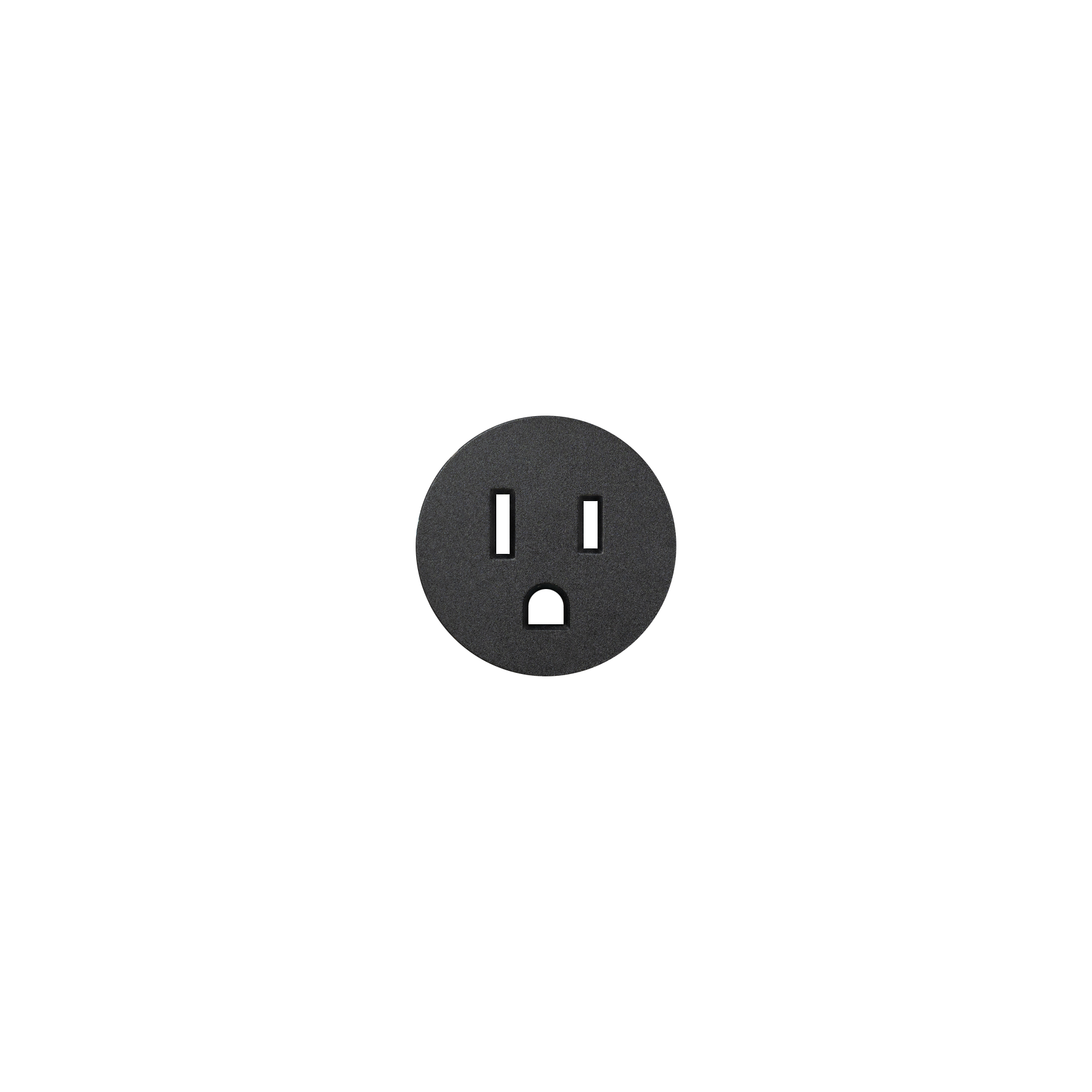
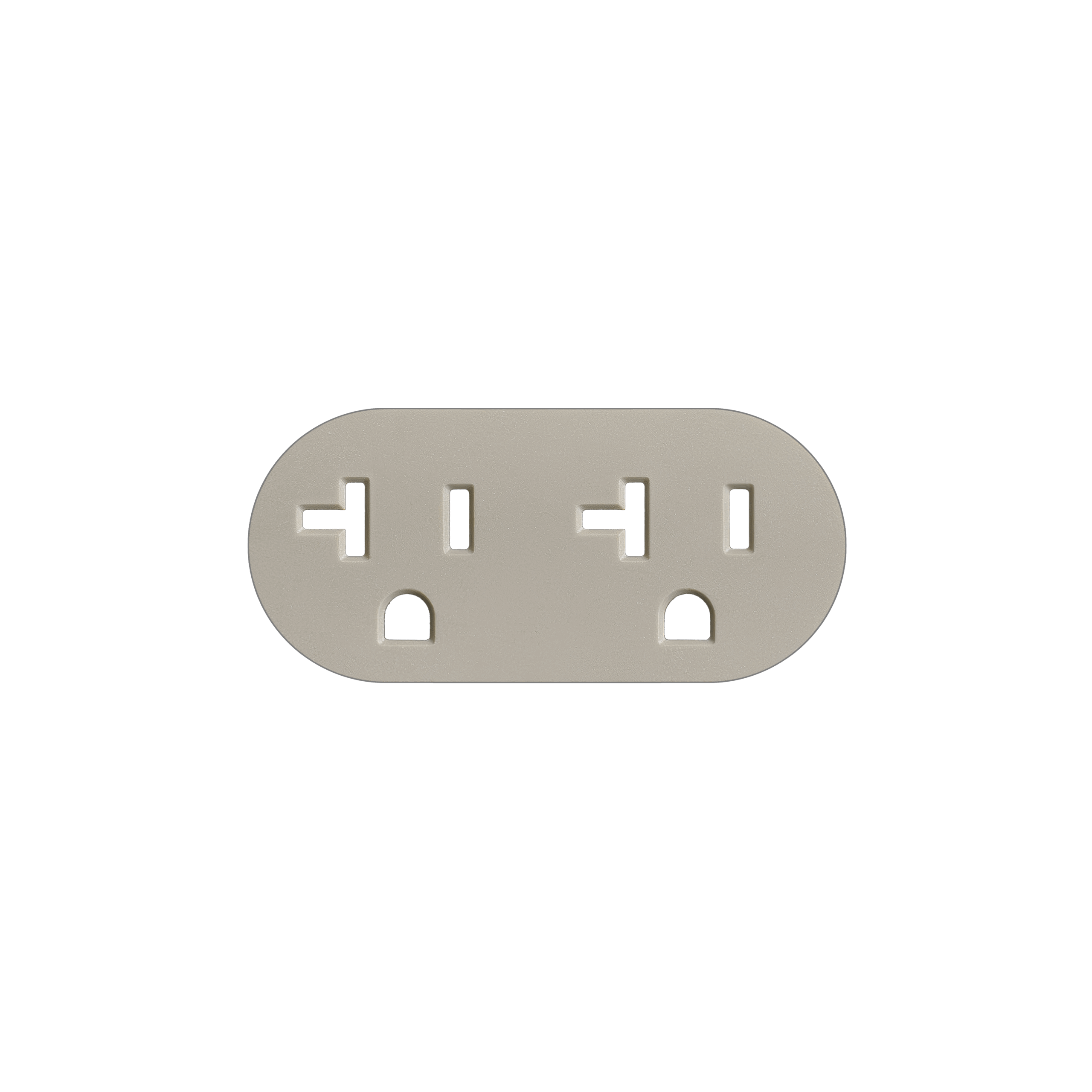
outlet cover plate
$9.00
Comes in two variants and six colors. A specific color in mind for your project? Reach out at support@prado.com to discuss custom color options, costs, and timelines.
$9.00
Comes in two variants and six colors. A specific color in mind for your project? Reach out at support@prado.com to discuss custom color options, costs, and timelines.
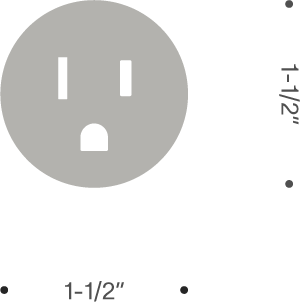
What are the available colors?
Our cover plates come in several color options you can choose from: white (RAL 9016), black (RAL 9017), sand (RAL 9001), clay (RAL 7038), espresso (RAL 8019) and graphite (RAL 7021).
These options are our standard offerings that you can choose from for your prado outlets. You can easily compare these colors by ordering our cover plate color set.
If you’re looking for a specific custom color beyond these options, we can also create custom RAL colored cover plates for larger orders.
Can I get a custom color for a project?
If you’re looking for a specific color, we do offer custom RAL colored cover plates for an extra price. For custom colors, we require a minimum order of 100 outlets with an additional $500 production fee plus $9 per cover plate. The lead time for custom orders is typically 4-8 weeks.
Can I paint the cover plates myself?
Field painting is an option, but it might show wear sooner. When painting cover plates in the field, it’s important to follow proper surface preparation and application techniques to ensure a durable, high-quality finish.
Start by applying a light coat of a suitable bonding primer, such as XIM Primer/Bonder or a comparable product. Always follow the manufacturer’s instructions for application, and be sure to match the primer type to the paint being used — compatibility is essential for adhesion and long-term durability.
Since cover plates are frequently touched and exposed to wear, a more resilient type of paint is recommended. Lacquer-based, oil-based, or polyurethane-based paints offer superior durability for this type of application. If water-based paints are preferred, applying a clear protective topcoat is advised to improve resistance to scratching and wear.
Prepare the paint according to the intended application method. This may involve thinning the paint to the proper ratio, based on the manufacturer’s instructions. To achieve a smooth finish, strain the paint using a mesh filter to remove any particulates or clumps.
For best results, use a small spray gun — either a detail or cap spray type — equipped with a #3 tip. Adjust the fan width to medium or wide, and set the air pressure to around 60 psi. Hold the spray gun approximately 10 inches from the cover plate and apply a light, even coat using multiple quick passes. Position the spray gun at a slight angle, around 45 degrees, to ensure the paint reaches the sidewalls of the cover plate. Only a minimal amount of paint is needed on the edges to maintain a clean profile.
Allow the paint to set briefly before rotating the cover plate to reach all sides evenly. If using a water-based finish, a clear topcoat can be applied after the paint has dried to further enhance surface protection and appearance.